

Planning a trip to Rio Carnival requires careful preparation, strategic booking, and insider knowledge to make the most of this spectacular celebration. I know that because I went through it myself two years ago for the first time. And I can tell you. It was a ride! So here I am with this comprehensive guide that covers everything you need to know about attending the world’s biggest party.
When is Rio Carnival?
Rio Carnival takes place between February and March, with street parties (blocos) starting up to two weeks before the official dates. The Sambadrome parades occur for three days, with the Champions Parade at the end.
When to Book Flights for Rio Carnival
Optimal Booking Timeline
10-6 months in advance: This is the sweet spot for booking international flights to Rio de Janeiro during Carnival season. Airlines typically release their schedules and you can secure the best prices before demand drives costs up significantly.
6-4 months before: Prices start increasing but reasonable deals remain available. Monitor flight comparison sites and set price alerts for routes to Galeão International Airport (GIG) or Santos Dumont Airport (SDU).
3 months or less: Expect premium pricing, with flights often costing 2-3 times normal rates. Last-minute deals are rare for Carnival dates.
Flight Booking Tips
- Consider arriving a week before Carnival officially begins to first of all adjust to the time zone, jet-lack can be a bitch and believe me – you will not be bored.
- Book return flights for midweek after Carnival ends (Wednesday or Thursday) for better availability and lower prices
- Check connecting flights through São Paulo, as they sometimes offer better value than direct routes
Booking Accommodation for Rio Carnival
When to Reserve Your Hotel or Rental
12-8 months ahead: Premium hotels in Copacabana, Ipanema, and Leblon. I personally also recommend Laranjeiras (that’s where I stayed). Booking early ensures the best locations and reasonable rates.
8-6 months before: Mid-range options become limited. Expect to pay 3-5 times standard rates even at this stage.
Last minute: And that means 2 months prior and less – only scattered availability remains, often in less desirable locations or at premium prices exceeding $500-1000+ per night.
With my friend although we booked flights 6 months prior, I have no clue why but we skipped booking accomodation and realised only 2 months before. It was a horror to find anything at reasonable price, that wasn’t in Favela, scam or 40 km away from center. But we got lucky, as a lady we were almost renting flat from when discovered we are only two girls, she said she will rent us her daughter room. Price was reasonable and we ended up in Laranjeiras. But we were super lucky – don’t try this way. 😀
Best Neighborhoods to Stay during Rio Carnival
Copacabana: Walking distance to beach blocos, diverse restaurant options, and metro access to the Sambadrome. Most popular among international tourists.
Ipanema: Upscale neighborhood with beautiful beaches, excellent dining, and proximity to major bloco routes. Generally safer and more sophisticated than Copacabana.
Leblon: Rio’s most affluent area offers a quieter base with easy access to Carnival activities. Higher prices but enhanced security and quality.
Accommodation Booking Strategy
- Use Airbnb for apartments, but verify host responsiveness and reviews specifically mentioning Carnival dates
- Book hotels directly after comparing prices on booking platforms
- Request rooms on higher floors away from street noise
- Confirm cancellation policies, as plans may change
What to See and Do at Rio Carnival
The Sambadrome Parade
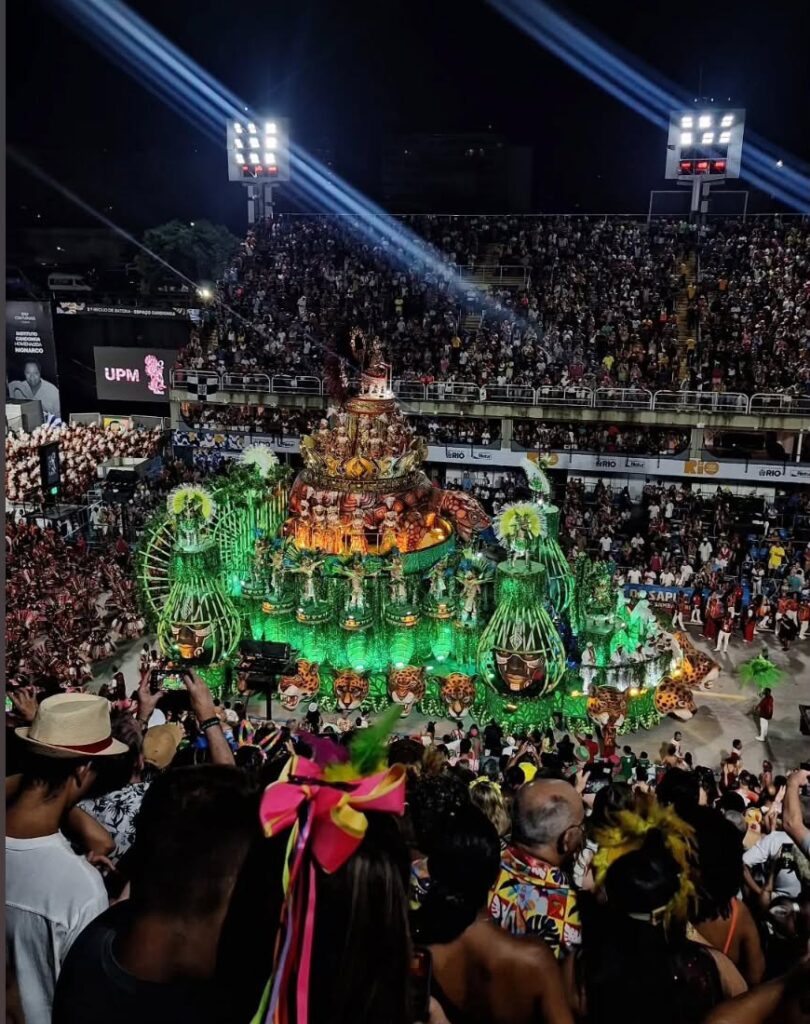
The centerpiece of Rio Carnival features 12 elite samba schools competing in spectacular parades lasting 60-90 minutes each. These professionally choreographed performances include thousands of dancers, elaborate floats, and stunning costumes.


Tickets: Purchase through official channels. We booked with bookers 2-3 months in advance and it was all good. Sectors range from $50 (higher bleachers) to $500+ (luxury boxes).
Timing: Parades run from 9 PM to sunrise on Sunday and Monday nights. Arrive early to witness multiple schools.
Best sectors: Sectors 7 and 9 offer excellent views at moderate prices. Sector 11 provides shade and the best overall perspective. Sector 10 is full of locals. And the exact one we took were: 2 Grandstands seats in Sector 10. I highly recommend. Although a friend I met few days after went for VIP tickets and can’t lie – he had great view on details!
Pro tip! At the street: Run Correia Vasques in Cidade Nova, Rio de Janeiro you can see the Carro alegórico. It’s the official term for the massive, elaborately decorated parade floats that samba schools build and roll down the Sambódromo during Rio’s Carnival.
Street Parties (Blocos)

Over 500 blocos take over Rio’s streets during Carnival season! These free public parties capture the authentic spirit of Brazilians.
Must-attend blocos:
- Cordão da Bola Preta: Rio’s oldest and largest bloco, attracting over 2 million people
- Monobloco: Famous for energetic brass band performances in Copacabana
- Carmelitas: Cross-dressing theme bloco in Santa Teresa
- Simpatia é Quase Amor: Ipanema’s beloved neighborhood party
- Sargento Pimenta: Beatles tribute band bloco with Carnival twist
Bloco survival tips:
- Download the official Rio Carnival app for real-time bloco schedules and routes:
- Bring minimal belongings in a secure money belt or small crossbody bag
- Stay hydrated but avoid accepting open drinks from strangers
- Wear comfortable shoes you don’t mind getting dirty or ruined
The Rio Carnival Kissing Tradition
Kissing is an integral part of Rio Carnival culture. Brazilians are affectionate people, and during Carnival, spontaneous kissing between revelers is common and socially accepted. My Brasilian firends even told me that lot of Brasilians even if in the relationships, during carnival period “are taking a break” for that time.
What to know about Carnival kissing:
- Brief kisses between strangers at blocos and parties are considered normal festive behavior
- Always respect consent – enthusiasm should be mutual and obvious
- The tradition reflects Carnival’s spirit of freedom, joy, and temporary suspension of everyday social rules
- Some blocos specifically celebrate this tradition with more flirtatious atmospheres
- If you’re not comfortable participating, it’s okay. Simply say no.
Health and safety: Given the close contact nature of Carnival, stay aware of your surroundings and trust your instincts about any interaction. I personally not participate in this kissing culture, as it’s very easy to transfer Herpes HSV-1.
Costume Balls and Private Events
Rio’s high society hosts legendary costume balls at venues like the Copacabana Palace Hotel. These ticketed events ($200-500+) offer glamorous alternatives to street celebrations with live music, elaborate décor, and costume competitions.
Notable balls:
- Magic Ball at Copacabana Palace
- Gay Gala Ball at Scala Rio
- Red and Black Ball at Clube Flamengo
Beach Celebrations
Copacabana and Ipanema beaches transform into massive open-air parties during Carnival. These gatherings blend into impromptu dance sessions, beach sports, and casual socializing from sunrise to sunset.

Essential Preparation Tips for Rio Carnival
What to Pack
Costumes and clothing:
- Lightweight, breathable fabrics (cotton, moisture-wicking materials)
- Multiple costume options for different blocos
- Comfortable walking shoes and flip-flops
- Swimwear for beach parties
- Light jacket for air-conditioned venues
Safety essentials:
- Money belt or hidden pocket for valuables
- Photocopy of passport (leave original in hotel safe)
- Minimal cash and a single credit card
- Cheap backup phone
- Portable charger
Sun protection:
- High SPF sunscreen (50+)
- Hat or cap
- Sunglasses
- After-sun lotion
Health and Safety Considerations
Before you go:
- Check if yellow fever vaccination is recommended
- Purchase comprehensive travel insurance
- Register with your embassy
- Download offline maps of Rio
During Carnival:
- Stay aware of surroundings in crowded areas
- Avoid wearing expensive jewelry or watches
- Keep hotel contact information accessible
- Know basic Portuguese phrases for emergencies
Hydration: Rio’s summer temperatures reach 30-35°C. Drink water constantly, especially during outdoor events and when consuming alcohol.
Money and Budgeting
Daily budget estimates (per person):
- Budget traveler: $80-120 (street food, free blocos)
- Mid-range: $150-300 (restaurants, Sambadrome tickets)
- Luxury: $400+ (private events, VIP experiences)
Payment tips:
- Use ATMs inside banks during daytime, although phone payments are very accessible.
- Notify your bank of travel dates to avoid card blocks
- Keep emergency cash separate from daily spending money
Transportation in Rio
Metro: Most efficient option for reaching the Sambadrome and major neighborhoods. Operates extended hours during Carnival. Purchase a rechargeable RioCard.
Uber and 99: Ride-sharing apps work well but expect limited availability during peak hours.
Walking: Many blocos are within walking distance in neighborhoods like Ipanema and Copacabana.
Cultural Etiquette and Tips
Respecting Brazilian Culture
- Ask permission before photographing people in costume
- Learn basic Portuguese greetings (“Bom dia,” “Obrigado/a,” “Por favor”)
- Embrace the friendly, tactile nature of Brazilian social interaction
Making the Most of Your Experience
Pace yourself: Carnival spans multiple days. Don’t burn out on day one.
Embrace spontaneity: Some of the best Carnival moments happen unexpectedly. Be flexible with your schedule.
Connect with locals: Brazilians are famously welcoming during Carnival. Strike up conversations and accept invitations to join groups.
Document selectively: While photos are wonderful, don’t experience the entire celebration through your phone screen.
With proper preparation, Rio Carnival will deliver unforgettable memories of samba, celebration, and the unmatched joy of the world’s greatest party. Enjoy and let me know how it was! <3